• Skip to primary navigation
  • Skip to main content
  • Skip to primary sidebar
  • Skip to footer

Cerebral Palsy Scotland

  • Facebook
  • Instagram
  • LinkedIn
  • Home
  • Who we are
    • Our mission and values
    • What we do and why
    • Our story
    • Our team
    • Vacancies
    • Key documents
    • Our centre
  • How we help
    • Therapy for adults
    • Therapy for children
    • Support
    • Training
    • Campaigning
    • Our impact
  • What’s on
    • Events
    • Annual conference
  • Other support
    • Support directories
    • Financial support & equipment funding
    • Advice from parents
    • Online support groups
    • Support for schools
    • Legal support
  • Get information
    • All about cerebral palsy
    • Children
    • Adults
    • Therapy & treatment
    • Oral health
  • News
    • News
    • Blog
  • Get involved
    • Friends of Cerebral Palsy Scotland
    • Raise money
    • Leaving a gift in your Will
    • Corporate partners
    • Philanthropy and major donors
    • Other ways to give
    • Other ways to get involved
    • Trusts
    • Our promise to you

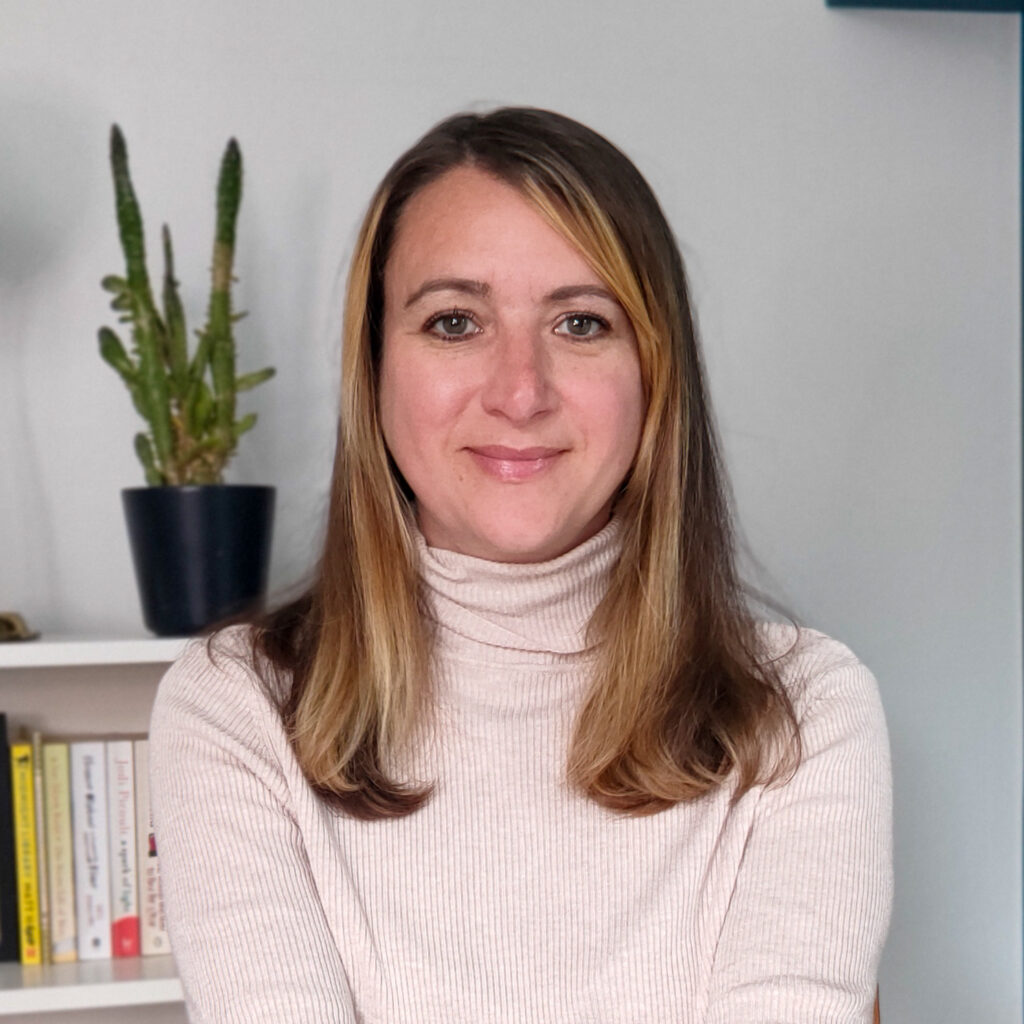
Rachel Bottomley | Senior Fundraising Officer

Rachel has over 15 years of experience in stakeholder engagement and partnership management and has successfully delivered both fundraising and strategic partnerships in the third sector. She has expertise in workplace disability inclusion and is a passionate advocate for lived experience involvement.

Rachel previously worked in Corporate Partnerships for one of Scotland’s largest charities and is a registered member of the Chartered Institute of Fundraising. In her spare time Rachel is a Board Member for the creative charity Produced Moon and a member of Disability Equality Scotland.
Be part of the “clean thinking” revolution – Rebecca Nicholson

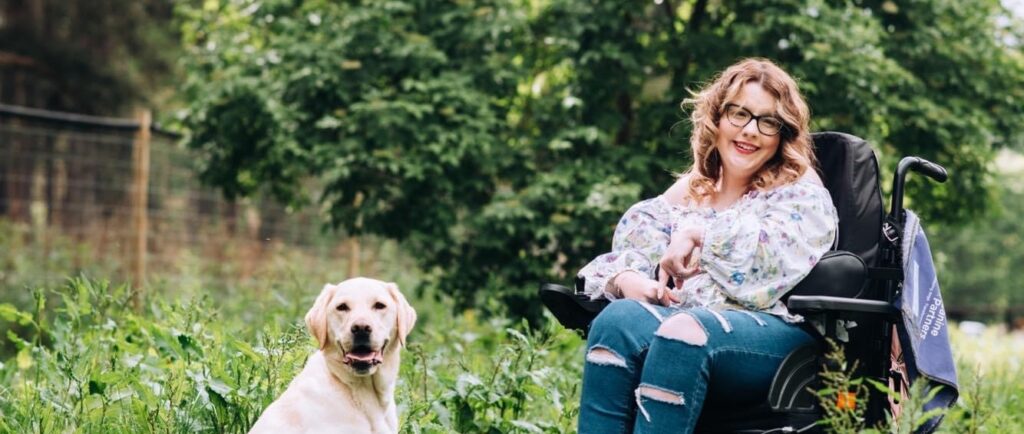
Rebecca Nicholson smiles at camera. She is sitting in a powerchair. Her canine partner Gregg sits by her side.

Rebecca Nicholson is the founder of Naked Brains – a consultancy that provides training to revolutionise how we perceive and deliver person-centred care. Naked Brains also offers other services too, including independent consultancy and advocacy. Here she explains how her own experiences have informed her career journey and work today.


I’m Rebecca I’ve got a story to tell.

A few years ago my life truly felt like

a living hell.


I was born with cerebral palsy. The education system made me believe that it may as well have been satan’s spell.

“You are a difficult child”.

“You aren’t very bright”.

“Your parents are making too much of you’re academic potential”, “you won’t amount to very much”.

Teachers at school are supposed to look after you..

instead they frighten the living daylights out of you…

leaving scars that take years to heal.

The words they say stick like glue believing what they say is the sum total of you.

I’m here to tell you that this simply not true.

You are enough.

You deserve choice and control.

You deserve to feel heard and empowered to live a life you love..


Naked Brains is here to help you.

Never lose hope. I’m here until you reach brighter days…


How I can help?

My Bespoke training programme revolutionises how we perceive and deliver person-centred care. As somebody who has a physical disability and uses a power wheelchair, I use a unique blend of personal experience, empathy and humour.

I discuss what values underpin person-centred practice illustrated through the stories straight from my heart (some may say from the horse’s mouth). You’ll laugh, cry and perhaps ponder concepts you may not have considered before.

Challenging your thoughts and beliefs about what it really means to care.

My approach is never to engage in a culture of blame but instead encourage people to be open to challenge their own misconceptions. I encourage self reflection in a way that promotes compassion and kindness towards oneself. This is when we see the ripples of change as we put humanity back into care. Our practice transforms and changes the world of the people we support.

Independent consultancy/  advocacy.

Recruitment, support, and advice.


Be part of the “clean thinking” revolution.

Rebecca Nicholson – bec.nakedbrains@gmail.com

Self-Directed Support – new factsheets for people with neurological conditions

Image of two hands - one person's hand is supporting the other person's hand.

On 10 January, the Neurological Alliance of Scotland (NAoS) in conjunction with Self-Directed Support Scotland have published three factsheets to help raise awareness of Self-Directed Support amongst three groups who are in a position to support people living with a neurological condition, including cerebral palsy.

Self-Directed Support (SDS) is the way social care services and support are delivered in Scotland. It aims to give people choice and control over their own support and can be accessed by children, adults and unpaid carers.

The three fact sheets are:
1. Self-Directed Support for adults: Information for Health and Social Care Professionals
2. Self-Directed Support for adults: Information for the Voluntary Sector
3. Self-Directed Support for children: What to Expect – Information for Parents

The Neurological Alliance of Scotland is an umbrella body of organisations that represent people with a neurological condition and those who support them. Commenting on the factsheets, Alice Struthers, Programme Director of the Neurological Alliance of Scotland said:

“We are pleased to publish these three factsheets in collaboration with SDS Scotland. People living with a neurological condition are some of the most vulnerable in society and many are struggling to get by, particularly at the moment with the cost-of-living crisis. By guiding key workers and parents to clear, accessible information, we want to enable people with neurological conditions to understand how to access the support they need, how to uphold their rights and how to exercise the choices they have over that support. SDS is not only available to those with neurological conditions – it is also an option available to carers. We want to see more people being provided with the support that they need to live independently at home and in their communities.”

Mark Han-Johnston of Self Directed Support Scotland (SDSS) said:

“Self-Directed Support has been the mainstream approach to delivering social care in Scotland since 2014. However, we are still aware that many people struggle with navigating the social care system and knowing where to go to get started. We hope these factsheets will help more people understand their rights and how to access the support they need, and to be able to exercise choice and control over that support. One of our main priorities as an organisation is to increase access to SDS for people that still face significant barriers when trying to do so. We are therefore delighted to have worked with the Neurological Alliance of Scotland to ensure more people with neurological conditions and their families, get the support they need.”

How and why I started getting Self Directed Support

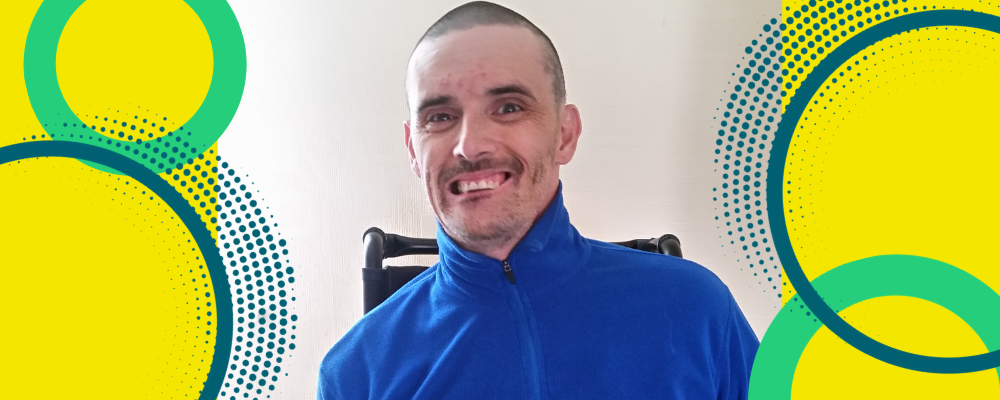
Image of Barry smiling at the camera

In this blog, Barry talks about his decision to start accessing Self Directed Support (SDS) and how it has helped him live independently.

My name is Barry Smith, and I am 43 years old, I have a physical disability which is cerebral palsy. Because I have this, I use a power chair as well as a Lightwriter what let people understand what I am saying to them.

When I am not able to do something for myself, I try to think of a different way to do it. Like I find it hard to type on my computer with my fingers – because of this I have a big keyboard with an overlay over it, so I don’t hit the wrong letters, then I use my big toe to type. Now I am going to tell you what I use for my mouse – a joy stick.

Before getting Self Directed Support

In 2006 I got my own house. Up to 2016 I used a support office that I liked at the time, down to being new to getting support in my house. But one thing I didn’t like at the support office was that they could send anyone – that upset me because the person might not know how to speak to someone who uses a communication aid.

Starting Self Directed Support

In 2016 I asked if I could go down the road to get a Personal Assistant (PA) to work for me. How do they help me to get what I need for life support? Just like if I need a hand to make a phone call to fix something in my house, I don’t have to worry about if the person can understand me because I have my own PAs who work for me.

By using my own PAs, for me they are my hands – I am saying this down to they do things that I can’t do for myself or am not able to do for myself.

In my eyes when anyone need support care setup they should be told about SDS because it is people’s right to know all the right support information and asked what road they want to go down.

During lockdown

In March 2020 you all know we all got told to stay at home, but I couldn’t let my PAs stay off work because they are my hands, doing things that I can’t do for myself. But I am there to ask them to support me with things I am not able to do for myself, like making me something to eat and feeding me with it. And do my housework for me as well as getting me ready as well as talking to me because I don’t go out. Because of it one of my PAs put out a tent for me at my back door which gave me a bit of head space, because they know I couldn’t go out, by doing this I stop wanting to go out.

My support with SDS now

Now I start going out a little bit more, but I try to stay away from catching Covid 19.

I would personally say to anyone who is thinking getting support, go down the SDS because you can teach your PA what you need and tell them what your outlook in life is.

Before I end my little talk I would like to make people aware you can use a communication aid when they are on SDS.


Support with the cost of living crisis

Image of a thermostat

Like all disabled people, the cost of living crisis is hitting people with cerebral palsy and their families hard.

Recent findings from the Joseph Rowntree Foundation showed that there is “a gap of around 12 percentage points in poverty rates between disabled and non-disabled people”.

Disability equality charity Scope’s Cost of Living Crisis campaign estimates that disabled people face extra monthly costs of £600 on average. Their research also revealed that almost half of all disabled people said they are planning to not turn on their heating even when cold due to the cost.

Plus, a Glasgow Disability Alliance event in early October highlighted cost of living challenges for their members, while the GDA urged policymakers to act on the recommendations contained in their report, Ending Poverty and Removing Barriers to Work for Disabled People in Glasgow beyond Covid-19.

What support is available in Scotland?

Scottish Government’s cost of living support website

The Scottish Government’s cost of living support website collates information on where to get support if you need help with food, heating and electricity, as well as information on benefits.

If you need urgent help with bill payment, contact your local council. Each council offers a different range of support to local residents.

Energy support

The following energy support is available:

  • Most households across the UK will get £400 off their fuel bill through the Energy Bills Support Scheme.
  • Those who receive Universal Credit or Income Support may get an additional cost of living payment of £650
  • Older people (born on or before 25 September 1956) may receive a Winter Fuel Payment of between £250-£600 to help pay heating bills
  • Those who receive the Guarantee Credit element of Pension Credit or are on a low income could also get a £150 Warm Home Discount

The following energy support is available specifically to disabled people:

  • Disabled people who receive Disability Living Allowance (DLA), Personal Independence Payment (PIP) or Scottish disability payments (Adult Disability Payment or Child Disability Payment) may have received a one-off Disability Cost of Living payment of £150 in September/October
  • Child Winter Heating Assistance is a benefit from the Scottish Government to some disabled children. This winter, eligible children will receive a one-off payment of £214.10.
  • As of this year, the Department for Work and Pensions (DWP) will no longer make Cold Weather Payments to clients in Scotland. From February 2023, people who received Cold Weather Payments will get an annual payment of £50 via Social Security Scotland’s Winter Heating Payment.

Other support:

  • The Scottish Government’s cost of living support website outlines other sources of support for energy, as well as how to access energy efficiency grants for your home.
  • The Leonard Cheshire Foundation have a webpage with useful links to advice and organisations that can support disabled people during the cost of living crisis.
  • « Go to Previous Page
  • Page 1
  • Interim pages omitted …
  • Page 19
  • Page 20
  • Page 21
  • Page 22
  • Page 23
  • Interim pages omitted …
  • Page 59
  • Go to Next Page »

Search

Quick links

  • Ways to give
  • Our mission and values
  • All about cerebral palsy
  • Therapy for adults
  • Therapy for children
  • Campaigning

Copyright © 2025 · Enterprise Pro on Genesis Framework · WordPress · Log in

Cerebral Palsy Scotland logo

Cerebral Palsy Scotland
Bradbury House
10 High Craighall Road
Glasgow, G4 9UD

t: 0141 352 5000
Phone Number for Cerebral Palsy Scotland
Fax Number for Cerebral Palsy Scotland
info@cpscot.org.uk
Email for Cerebral Palsy Scotland
cerebralpalsyscotland.org.uk
Website for Cerebral Palsy Scotland

  • Facebook
  • Instagram
  • LinkedIn
OSCR logo
Nationa Lottery Community Fund logo